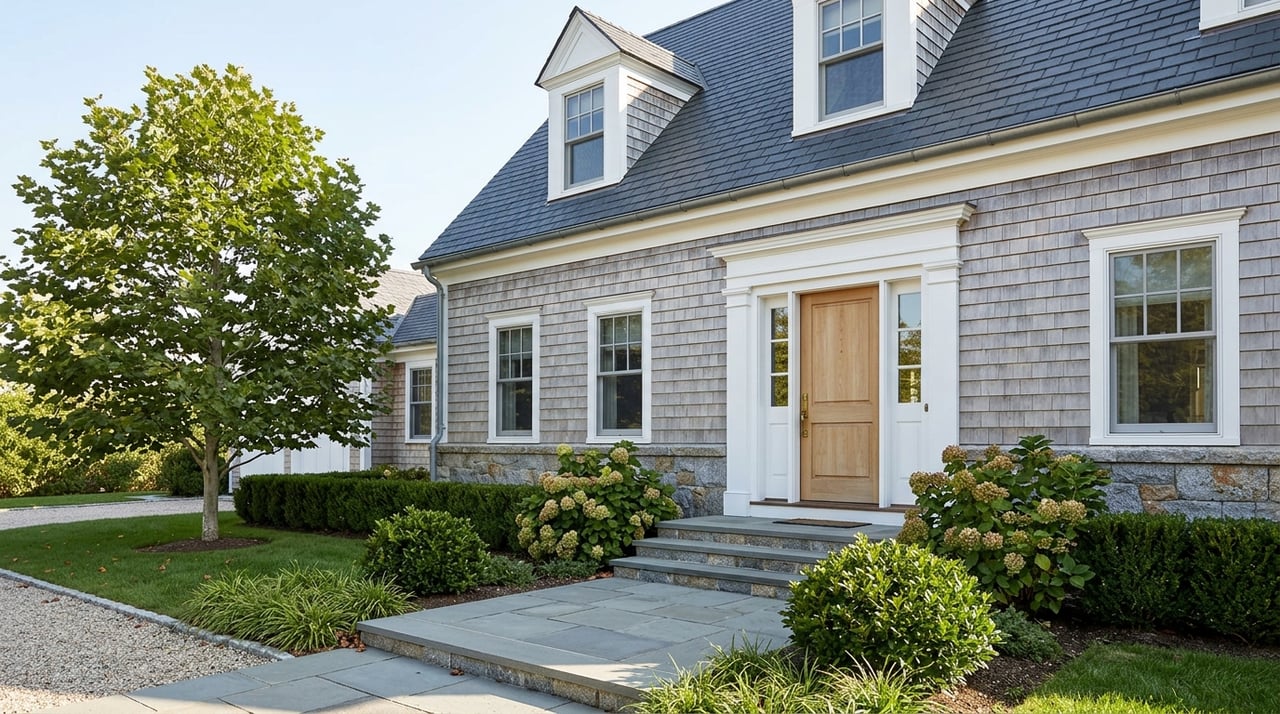
Greenwich Luxury Neighborhoods Guide: Which Area Fits?
July 16, 2026
July 16, 2026
If Greenwich feels hard to decode, you are not imagining it. What looks like one prestigious address is really a collection of distinct places with different rhythms, landscapes, and daily routines. If you are trying to decide between shoreline living, train convenience, downtown energy, or acreage and privacy, this guide will help you compare the tradeoffs clearly. Let’s dive in.
Greenwich is best understood as a set of historically distinct settlements rather than a single, uniform housing market. Old Greenwich was the original town site. The downtown core took on the name Greenwich when the first station arrived in 1848, Riverside grew around a later railroad stop, and the backcountry developed as a lower-density area of large lots and estates.
That history still shapes how each area feels today. In practical terms, your choice is often less about the town name and more about the lifestyle pattern you want every day. Do you want to walk to the train, spend time near the water, run errands on foot, or prioritize land and privacy?
Old Greenwich stands apart for its shoreline identity and smaller-scale village feel. Its earlier rail era also explains the old Sound Beach name, since the station once drew summer visitors headed for the beaches before the community returned to the name Old Greenwich in 1931.
The defining lifestyle anchor here is Greenwich Point Park. The town-owned park spans 147.3 acres and includes beaches, swimming, trails, a boat yard, and a kayak launch. Passes are required from May 1 through October 31, which is an important detail if regular beach access is part of your routine.
For quieter outdoor space, Old Greenwich also includes Binney Park and Laddin’s Rock Sanctuary. Binney Park offers 33 acres with walking paths, stone bridges, and a gazebo. Laddin’s Rock Sanctuary adds 18 acres of woodland, scenic vistas, and small watercourses.
If you picture your week shaped by the coast, Old Greenwich is often the clearest fit. It tends to suit buyers who want beach access woven into everyday life and who value a village-scale setting over a more urban pattern.
Riverside has long been tied to the railroad and to a quieter residential identity. Formerly known as Mianus Neck, it was renamed in 1869 to appeal to summer renters and homeowners, and the railroad stop helped reinforce that direction.
One of Riverside’s strongest defining features is its historic housing stock. The River Road-Mead Avenue Historic District is considered one of Greenwich’s best examples of pre-World War I upper-middle-class housing, with Greek Revival, Italianate, Second Empire, Colonial Revival, and Shingle-style homes.
Riverside also has a notable waterfront story. The Yasukata Murai home, built in 1889 on Glen Avon Drive, overlooks Cos Cob Harbor from a waterside knoll and stands as a large Queen Anne house with strong architectural presence.
For outdoor space, Schongalla Nature Preserve offers a lake-and-trails setting within Riverside. Taken together, the station history, preserved architecture, and harbor connection make Riverside feel like a quieter residential enclave with strong commuter appeal and a well-preserved sense of place.
Central Greenwich is the civic and commercial core of town. This area was once called Horseneck, but when the first station was built in 1848, the downtown district became Greenwich and grew into the town’s central commercial identity.
That history remains visible in the built environment. The Greenwich Municipal Center Historic District developed largely between 1893 and 1938 and includes Romanesque Revival, Neoclassical, and Art Deco civic buildings. Greenwich Avenue adds another layer, with historic commercial architecture ranging from Italianate and Commercial Queen Anne to Georgian Revival and later commercial styles.
This is usually the strongest fit if you want the densest concentration of shops, restaurants, civic destinations, and harborside public space. Roger Sherman Baldwin Park sits in Greenwich Harbor near Greenwich Avenue and offers harbor and Long Island Sound views, a skate park, and event space.
The tradeoff is that downtown convenience can come with more logistical friction. Town planning materials note difficult parking downtown and in the villages, so if daily errands by foot matter more than easy parking, central Greenwich may still be worth that compromise.
The backcountry offers the most private and least urban day-to-day pattern in Greenwich. In the northwestern section, including historic North Greenwich and Round Hill, the town’s historical record describes estate-oriented enclaves such as Khakum Wood, with 2- to 7-acre plots, underground utilities, and landscape work by the Olmsted Brothers.
Town open-space materials describe much of the backcountry as an area of large lots and large dwellings. Those same planning and safety materials also identify a lack of sidewalks or dedicated pedestrian and cycling space as one of the town’s top concerns.
In practical terms, the backcountry tends to feel the most car-dependent of Greenwich’s main areas. That does not reduce its appeal. It simply means the daily pattern is different, with privacy, lot scale, and quiet often taking priority over walk-to-everything convenience.
For buyers who value preserved green space, Babcock Preserve is a major asset. It offers 300 wooded acres with walking, hiking, running, bridle paths, a picnic area, and a stream.
For rail commuters, Greenwich, Cos Cob, Riverside, and Old Greenwich all appear as Greenwich-area stops on the current Metro-North New Haven Line timetable, and they are grouped in Zone 15. That means the biggest differences are usually not about fare zone.
Instead, your real commuter experience often comes down to door-to-station timing, whether you can walk or need to drive, and how your work schedule lines up with peak rules. Peak tickets are required on weekday trains arriving at Grand Central between 6 AM and 10 AM, and on weekday departures from Grand Central between 6 AM and 9 AM and 4 PM and 8 PM.
If you are comparing Greenwich areas through a commuter lens, think beyond the timetable. The more meaningful question is how much effort your daily station access will require and whether that pattern feels easy enough to sustain.
If you are narrowing the field, it helps to focus on your daily rhythm rather than the broad prestige of the Greenwich name. Each area has a clear personality rooted in history, land use, and public space.
In Greenwich, lifestyle fit often matters as much as the house itself. A shoreline property in Old Greenwich, a period home in Riverside, a residence near the downtown core, or an estate in the backcountry can each be compelling for very different reasons.
That is why a thoughtful home search here should begin with pattern recognition. You are not only choosing architecture, lot size, or proximity. You are choosing how your mornings begin, how your weekends unfold, and how much privacy, movement, or coastal access you want built into daily life.
For buyers who value provenance, design, and setting, Greenwich rewards nuance. The most successful decision is usually the one that matches the property’s story with the way you actually want to live.
If you are weighing which part of Greenwich best aligns with your lifestyle, privacy preferences, or long-term plans, Jaclyn Picarillo offers a curated, discreet approach to finding distinctive homes with lasting value.
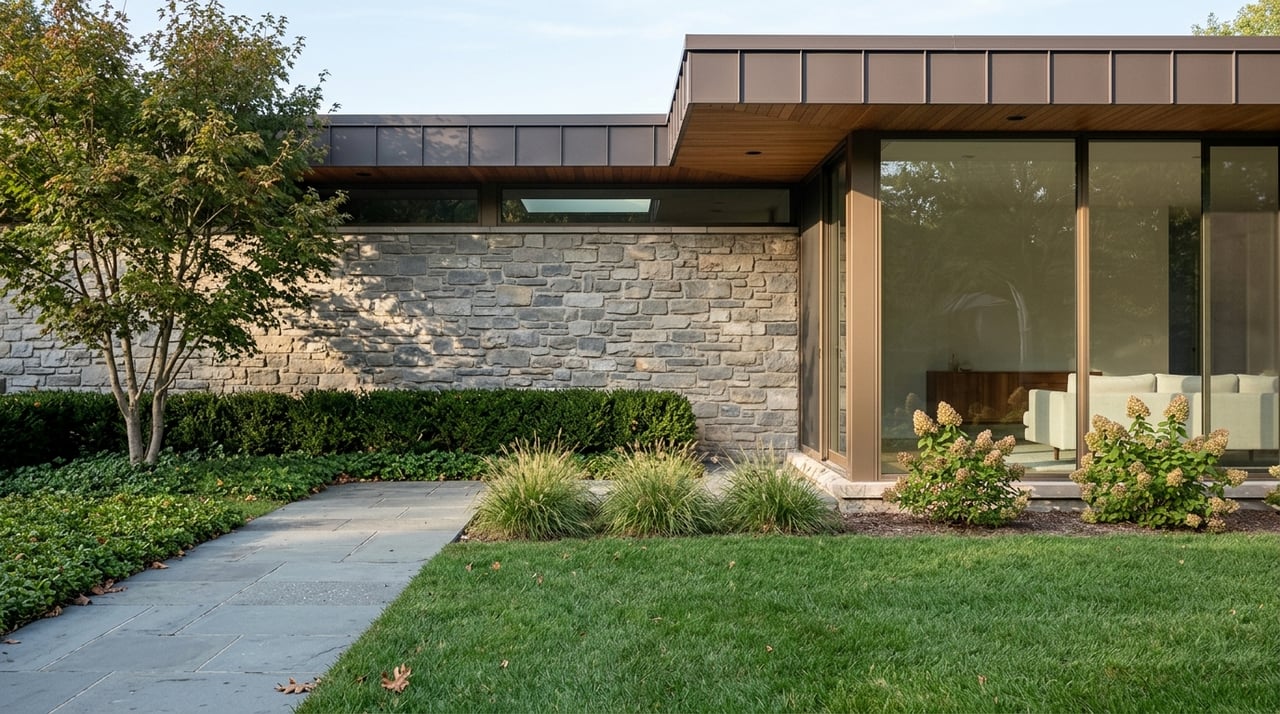
Jaclyn delivers white-glove service and expert representation to clients seeking exceptional properties and seamless transactions. Powered By Higgins Group Private Brokerage & Forbes Global Properties Whether you’re acquiring your first residence, elevating to a larger estate, downsizing with intention, or expanding a distinguished investment portfolio, Jaclyn delivers a bespoke real estate experience tailored exclusively to achieve your goals and exceed expectations. With over 22 years of expertise and record-breaking success as a Realtor in Fairfield County, Jaclyn approaches every transaction with tireless dedication, refined market insight, and an unwavering passion for achieving exceptional results.
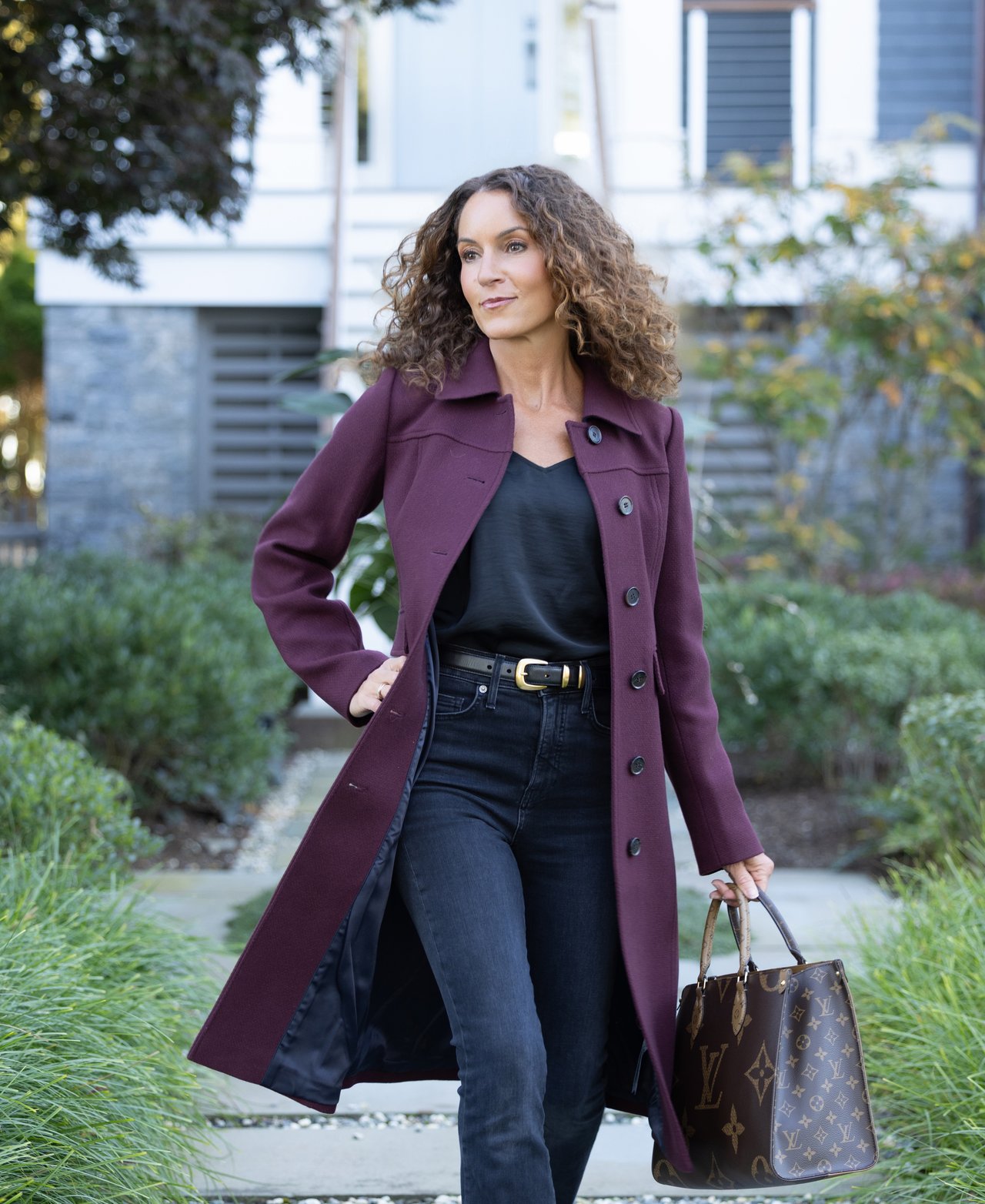
JACLYN GAILHARD PICARILLO
(203) 981-5012
[email protected]
OFFICES
30 Elm St
Westport CT 06880
251 Main St
Southport CT 06890
67 Mason St
Greenwich CT 06830
FOLLOW ME