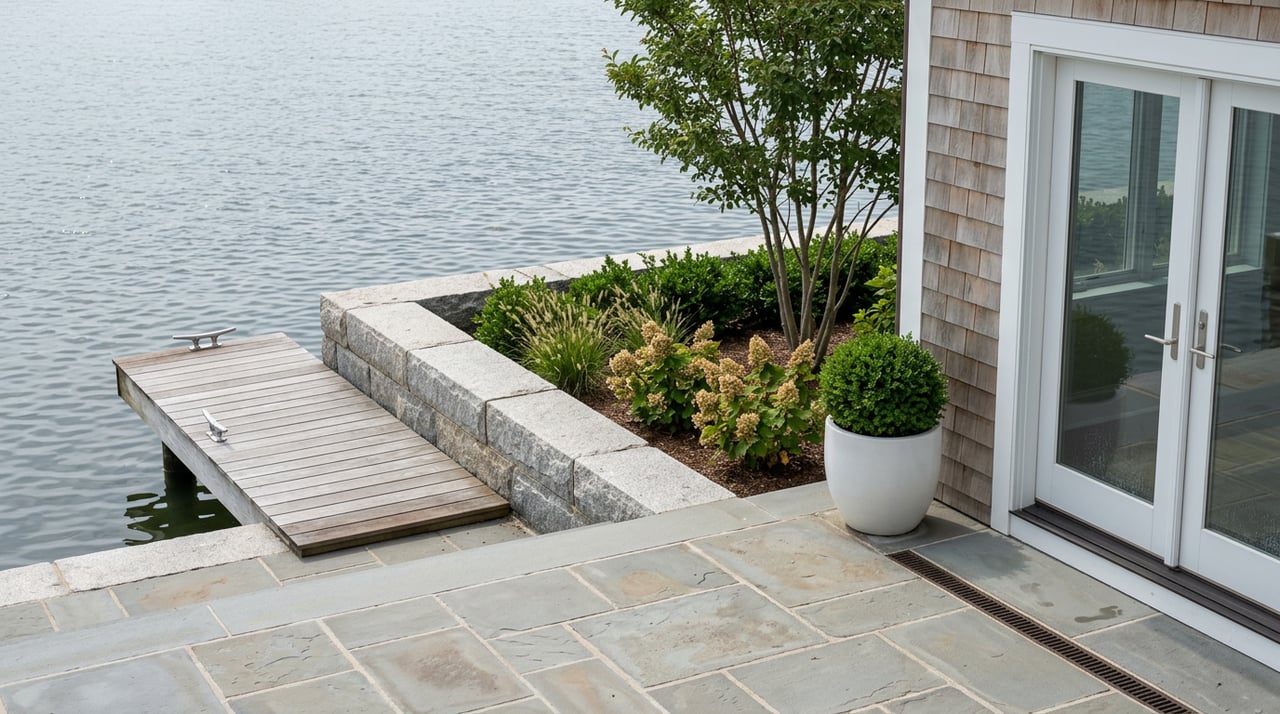
Norwalk CT Waterfront Real Estate Buyer’s Guide
March 5, 2026
March 5, 2026
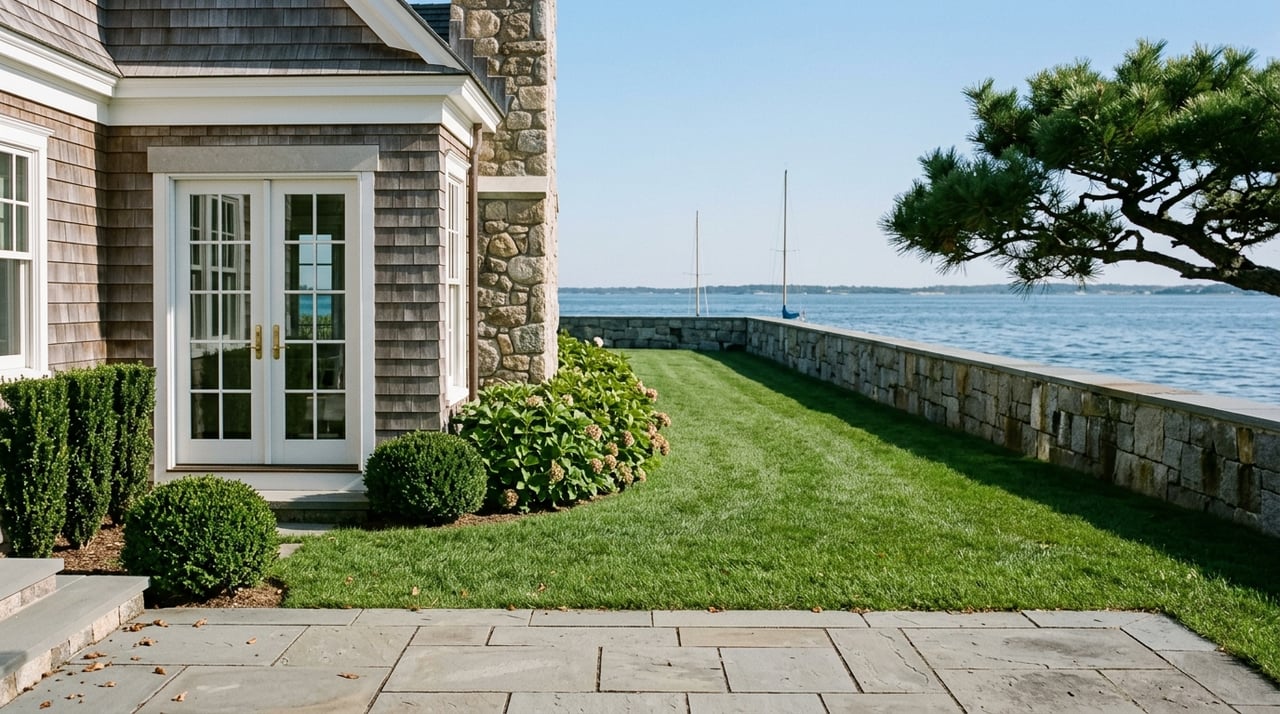
What draws you to the water is also what makes Norwalk special: village life, private clubs, island-dotted views, and a harbor network that actually works for boat owners. If you want the Long Island Sound lifestyle without Greenwich or Westport price extremes, Norwalk belongs on your short list. In this guide, you’ll get a clear look at Rowayton, Shorehaven, SoNo, and Harbor Shores, plus practical advice on docks, moorings, flood and insurance, and short-term rental rules. Let’s dive in.
You get the coastal lifestyle with real convenience. Multiple Metro-North stations, including Rowayton, East Norwalk, South Norwalk, and Merritt 7, make New York City commuting straightforward while you enjoy life on the Sound. The harbor supports private clubs and full-service marinas, so keeping a boat close is easy. For many luxury buyers, Norwalk delivers strong waterfront assets at a better value than some neighboring towns.
Rowayton feels like a classic New England coastal village. The pedestrian center, private beach culture, and boating scene create a close-knit, low-key rhythm. Private clubs like the Rowayton Yacht Club anchor the social calendar. You’ll see renovated historic cottages, modern rebuilds, and estate parcels with docks or walk-to-dock access.
Pricing context helps set expectations. As of January 2026, Redfin reported a Rowayton median sale price near $2.5 million. Other portals showed multi-million-dollar medians in late 2025. Read those as directional snapshots rather than guarantees, since micro-markets shift with limited inventory.
Shorehaven reads like a private-club enclave. The shoreline wraps golf course fairways and marsh, with Canfield Island homes offering rare, boutique trophy options. Membership and social life center on Shorehaven Golf Club. Expect a limited, high-end mix and occasional island listings in the several-million range, which are prized more for lifestyle and privacy than scale alone.
If you want waterfront dining and a lively harbor backdrop, South Norwalk delivers. Marinas and boat clubs surround the district, including the South Norwalk Boat Club. Harbor Shores and nearby Spring Hill waterfront pockets sit on the inner harbor, where you’ll find smaller waterfront condos, mid-to-high-end homes, and ongoing redevelopment conversations. Because this area evolves with planning and shoreline-resilience work, build zoning and project due diligence into your timeline using the city’s harbor management and planning resources such as Norwalk’s planning overview.
Norwalk’s waterfront spans renovated cottages, architect-led rebuilds, club-adjacent homes, and rare island properties. Price tiers vary by water proximity, view plane, dock rights, and renovation quality. As a frame of reference, January 2026 Redfin snapshots placed Darien near $2.1 million and Greenwich near $3.0 million for median sale prices. Norwalk’s top waterfront pockets generally sit below the highest tiers of those neighbors while still commanding a premium over the citywide median.
For your search, use dated medians as waypoints and evaluate each listing’s dock status, elevation, and renovation detail to set fair value.
If you run a larger boat or want turn-key service, Norwalk’s marinas and clubs are key. Norwalk Cove Marina is a deep-water, full-service facility with extensive slip and transient capacity. Clubs such as the South Norwalk Boat Club offer member slips that can remove pressure to rely on a private residential dock. When comparing properties, confirm berth depth, haul-out capability, and winter storage options.
In Connecticut, docks in tidal waters are regulated by the Department of Energy and Environmental Protection. The CT DEEP residential dock guidelines outline what is typically allowed and which permit path applies. Common guidance includes limiting fixed piers to about 4 feet in width and keeping floats near 100 square feet. Smaller projects may proceed under a General Permit. Larger work can require an individual Structures, Dredging and Fill permit, which involves public notice and longer timelines. Maintenance of an existing, lawfully built structure can be eligible for a Certificate of Permission.
What this means for you: verify that any existing dock is authorized and in good condition before you count it as a lifestyle or value driver. Factor permit history and future maintenance into your offer strategy.
Norwalk administers moorings through a harbormaster process and an online application system. Check availability and renewal rules on the Norwalk mooring portal and ask whether a property has deeded or permissive mooring rights. Waiting lists can exist in popular fields, so plan ahead.
Your lender will look at FEMA’s Flood Insurance Rate Maps to determine whether the structure lies in a Special Flood Hazard Area such as Zone AE or VE. You can search the official map and generate a FIRMette for the exact parcel through the FEMA Flood Map Service Center. If the home sits in an SFHA, expect a flood policy requirement for most mortgages. Ask the seller for any Elevation Certificate, and plan for a survey if needed to price flood coverage accurately.
Beyond today’s map, assess future exposure. Connecticut-specific sea-level and storm-surge scenarios are available through CIRCA and partners. Use the Resilient Connecticut resource library to understand 2050 horizons that could affect roadway access, bulkheads, and marsh migration around the home you are considering. For high-value assets, it is wise to layer near-term FEMA compliance with long-view resilience planning.
If you plan to rent seasonally, model your net, not just your gross. Connecticut imposes a statewide room-occupancy tax on short stays. The rate stands at 15 percent per state guidance in effect since July 1, 2011. Review the Department of Revenue Services notice on mechanics and platform collection rules here: Connecticut room-occupancy tax guidance. In Connecticut, municipalities set local STR rules. Norwalk’s public pages do not show a dedicated, citywide STR ordinance, so check Planning and Zoning and recent city agendas before assuming STR feasibility.
Practical takeaway: luxury waterfronts can earn higher nightly rates but come with seasonality, insurance nuances, and stricter compliance. Build the 15 percent state occupancy tax into your revenue model and confirm whether a platform collects and remits on your behalf.
Start with how you live. If you want a walkable village with private beach culture, Rowayton may fit. If club life and a more secluded shoreline speak to you, look at Shorehaven. If you thrive on dining, marinas, and energy, SoNo and the inner harbor deliver. From there, weigh dock status, mooring access, elevation, and insurance to dial in value and comfort.
When you are ready to tour by water and by street, connect with a local guide who understands both design and coastal logistics. For a curated search, private showings, and introductions to marinas and clubs, reach out to Jaclyn Picarillo for concierge-level guidance.


Jaclyn delivers white-glove service and expert representation to clients seeking exceptional properties and seamless transactions. Powered By Higgins Group Private Brokerage & Forbes Global Properties Whether you’re acquiring your first residence, elevating to a larger estate, downsizing with intention, or expanding a distinguished investment portfolio, Jaclyn delivers a bespoke real estate experience tailored exclusively to achieve your goals and exceed expectations. With over 22 years of expertise and record-breaking success as a Realtor in Fairfield County, Jaclyn approaches every transaction with tireless dedication, refined market insight, and an unwavering passion for achieving exceptional results.

JACLYN GAILHARD PICARILLO
(203) 981-5012
[email protected]
OFFICES
30 Elm St
Westport CT 06880
251 Main St
Southport CT 06890
67 Mason St
Greenwich CT 06830
FOLLOW ME