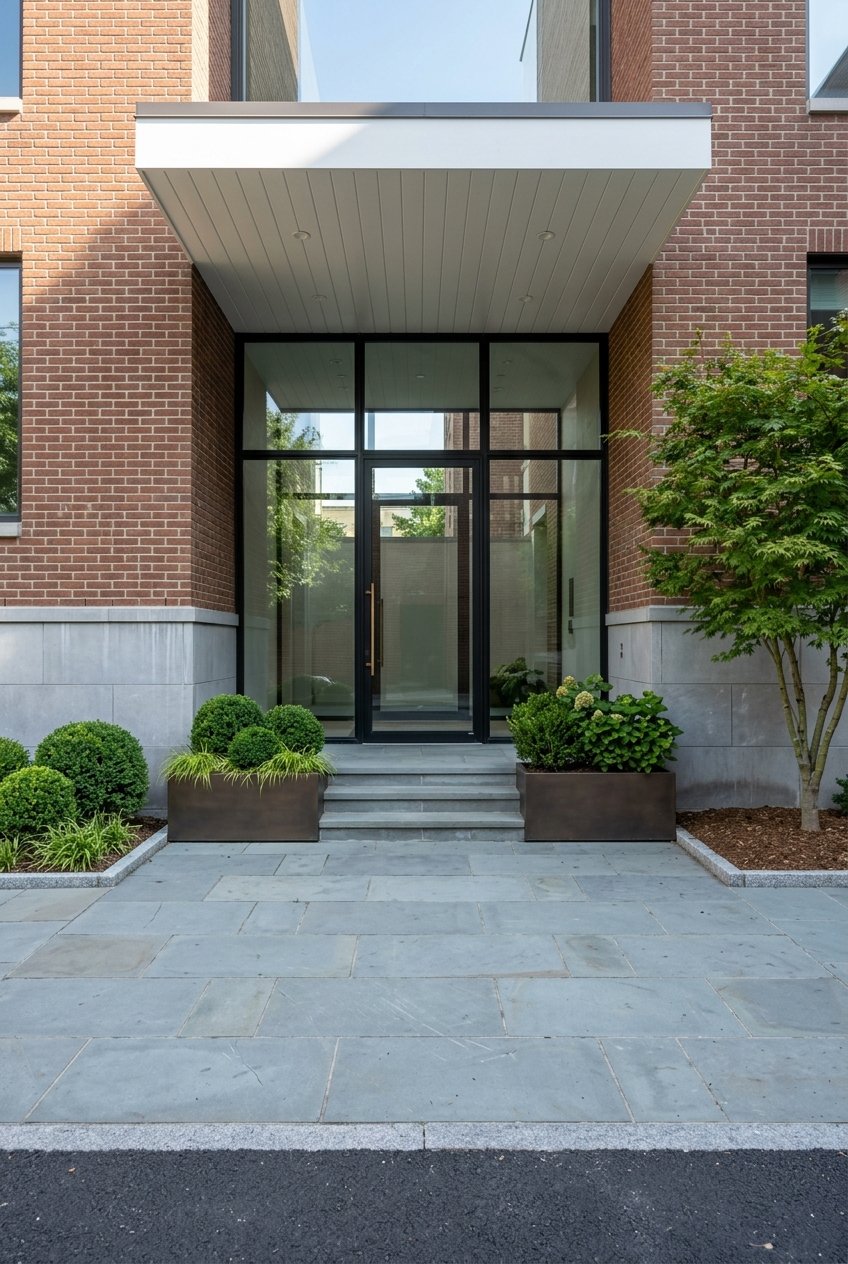
Relocating to Stamford CT for the Right Luxury Fit
June 25, 2026
June 25, 2026
Thinking about leaving Manhattan without giving up access, culture, or a polished daily rhythm? Stamford offers a rare middle ground: a city with distinct luxury lifestyles, strong rail connectivity, and a broader sense of space than many buyers find in New York. If you are planning a high-end relocation, the key is not simply choosing Stamford. It is choosing the right version of Stamford for the life you want to live. Let’s dive in.
Stamford sits in a compelling position for buyers who want to stay connected to New York while shifting their home base toward more space and a more residential feel. The city describes itself as a leading residential community within the New York metropolitan region, with a broad range of public services, parks, recreation, and a strong corporate presence.
That mix matters if you want more room to breathe without stepping too far outside the New York orbit. It helps explain why Stamford continues to appeal to executives, entrepreneurs, and design-minded buyers who want convenience, lifestyle variety, and a practical path back to Manhattan.
Stamford’s 2035 Comprehensive Plan also offers a useful lens for relocation. The city aims to preserve low-density neighborhoods and open space while directing much of future development toward downtown and neighborhood centers. In simple terms, Stamford is not one uniform market. It is a set of very different living experiences within one city.
A successful relocation starts with matching your priorities to the right micro-market. In Stamford, luxury living usually falls into three broad categories: urban convenience, waterfront access, and estate-style privacy.
If you want energy, convenience, and an urban tempo, downtown Stamford is often the first place to consider. Bedford Street serves as the city’s main downtown restaurant, bar, and retail corridor, while Latham Park anchors events in the heart of downtown.
This part of Stamford can feel most familiar to Manhattan buyers who still want to step out for dinner, meet friends easily, and keep errands streamlined. It is especially appealing if you value proximity to the train, a denser street grid, and a calendar that still feels active after work.
For some buyers, downtown luxury means a more lock-and-leave lifestyle. That can be a strong fit if you travel often, split time between cities, or simply prefer convenience over grounds maintenance.
Harbor Point offers a different expression of city living. It blends newer residential buildings, office space, waterfront access, and community programming into a modern district with a strong live-work-play feel.
Commons Park is a good example of that rhythm. It sits among apartments and offices and includes walking paths, a playground, and recurring community events. If you want a polished, newer environment with an easy connection to both the waterfront and the transportation hub, Harbor Point deserves a close look.
The free Harbor Point trolley adds another layer of convenience. It runs daily on a 14-stop loop and connects the Stamford Transportation Center, City Hall, Harbor Point residences, the library, the mall, and other key destinations.
If your version of luxury includes coastline, marina access, and beach proximity, the Shippan area offers a different proposition. The city identifies this area as a gateway to Shippan Point, Cummings Park and Beach, and the Shippan Landing office park.
Cummings Park and West Beach give this part of Stamford much of its appeal. Together they offer beaches, marina access, tennis, ball fields, beach volleyball, and open lawn space. For buyers coming from Manhattan, that can create a meaningful lifestyle change without giving up access to a major regional rail network.
Waterfront living often comes with a stronger sense of retreat. If you picture weekend walks by the water, a boating-oriented setting, or simply a softer pace outside business hours, this area may align with your goals.
North Stamford is the city’s most suburban luxury option. A city planning document describes it as the area north of the Merritt Parkway and as a low-density residential district with large wooded lots.
This is the Stamford many Manhattan buyers imagine when they say they want privacy, land, and a more secluded home environment. It tends to suit buyers who value a long driveway, mature landscape, and a stronger separation between home life and city life.
Dorothy Heroy Park reinforces that outdoor character, with wooded trails, a pool, tennis courts, and picnic facilities. If your priorities include peace, lot size, and a more estate-like setting, North Stamford usually rises to the top of the list.
For Manhattan relocators, commute planning should happen before you fall in love with a property. Stamford is one of the more transit-rich options in the suburban luxury market, but your day-to-day experience can still vary widely depending on where you live.
The Stamford Transportation Center is a major regional asset. The city says Metro-North, Amtrak, and intercity buses all serve the station, and that the center handles more than 8.5 million riders a year. Stamford is also the second-busiest Metro-North station after Grand Central.
That level of connectivity is one reason Stamford remains so relevant for New York-based professionals. Metro-North’s New Haven Line timetable also includes weekday peak ticket rules for trains arriving at Grand Central between 6 a.m. and 10 a.m. and departing during key morning and evening peak windows, which is important to factor into your cost and schedule planning.
Amtrak adds another layer of flexibility. Stamford is served on the Northeast Corridor by both Acela and Northeast Regional service, connecting you not only to New York, but also to Philadelphia, Boston, and other major cities.
Not every Stamford address delivers the same lifestyle once your workweek begins. That is why relocation should be framed around routine, not just aesthetics.
If you commute into Manhattan five days a week, downtown Stamford and Harbor Point often offer the most direct fit. They place you closer to the station and support a more walkable, lower-friction weekday pattern.
If you commute less often and want the emotional payoff of space or water access, Shippan or North Stamford may be more compelling. In those cases, the trade-off is usually less about whether Stamford works and more about how much convenience you want to exchange for privacy, views, or land.
Parking also becomes part of the equation. Stamford notes that downtown includes three parking garages along with hundreds of metered and unmetered on-street spaces. That supports visitors and hybrid commuters, but it also highlights a simple reality: in denser parts of the city, your parking plan deserves attention.
Luxury relocation is not just about purchase price. Monthly carrying cost matters, and in Stamford that includes close attention to tax districts and mill rates.
For fiscal year 2026-27, Stamford’s Board of Finance set mill rates at 25.14 for District A, 24.66 for District B, 24.31 for District C, and 24.72 for District C/S. Motor vehicles are taxed at 24.31 mills, and personal property at 28.47 mills.
The city bills property taxes on July 1 and January 1, and taxes become delinquent after 30 days. If you are comparing properties across different parts of Stamford, this is one of the details that can materially affect your annual ownership cost.
For many buyers, the right move is to compare homes not only by price, but by the full monthly picture. That includes taxes, maintenance expectations, parking realities, and the lifestyle value you receive in return.
One of Stamford’s strongest advantages is the depth of its amenity base. The city’s Parks Strategic Plan says Stamford has more than 56 parks and aims for every resident to be within a 10-minute walk of quality open space.
That matters because luxury today is not just interior finish or square footage. It is also about how easily you can access green space, waterfront recreation, cultural programming, and a sense of place.
Official city recreation and arts resources highlight destinations and events such as the Bartlett Arboretum, the Stamford Museum & Nature Center, Bedford Street events, Alive@Five, and broader city-supported arts programming. For many former Manhattan residents, that variety helps soften the shift from one kind of urban life to another.
The waterfront adds even more range. Cummings Park and West Beach together provide beaches, fields, courts, marina access, and open lawn space, creating a lifestyle layer that is hard to replicate in many commuter markets.
The real challenge in a Manhattan-to-Stamford move is not finding a luxury property. It is identifying the one that fits your routine, your privacy needs, and the version of Connecticut living you actually want.
A polished condo near the station, a waterfront residence near the beach, and a secluded home on wooded acreage can all be excellent choices. But they serve very different lives. The right advisor helps you compare those trade-offs clearly so your move feels intentional, not reactive.
At the high end of the market, that kind of curation matters. It can save time, protect privacy, and help you avoid choosing a home that looks right on paper but feels wrong once your weekly rhythm takes over.
If you are planning a refined move from Manhattan to Stamford, Jaclyn Picarillo offers a discreet, concierge-driven approach designed to match you with the right property and the right lifestyle fit.

Jaclyn delivers white-glove service and expert representation to clients seeking exceptional properties and seamless transactions. Powered By Higgins Group Private Brokerage & Forbes Global Properties Whether you’re acquiring your first residence, elevating to a larger estate, downsizing with intention, or expanding a distinguished investment portfolio, Jaclyn delivers a bespoke real estate experience tailored exclusively to achieve your goals and exceed expectations. With over 22 years of expertise and record-breaking success as a Realtor in Fairfield County, Jaclyn approaches every transaction with tireless dedication, refined market insight, and an unwavering passion for achieving exceptional results.

JACLYN GAILHARD PICARILLO
(203) 981-5012
[email protected]
OFFICES
30 Elm St
Westport CT 06880
251 Main St
Southport CT 06890
67 Mason St
Greenwich CT 06830
FOLLOW ME